
The Sabre Ecosystem
Seasonal agricultural workforce management involves considerably more than recruiting workers and allocating them to farms. Workforce providers need to manage recruitment, compliance, documentation, travel, allocations and the wider worker journey.
Farms need visibility of the people allocated to them and practical tools to manage their part of the process.
Workers need to provide information, complete documentation, understand where they are going and interact with the organisations supporting them.
These participants have different responsibilities, but they are all involved in the same workforce journey.
We think agricultural workforce software should reflect that.
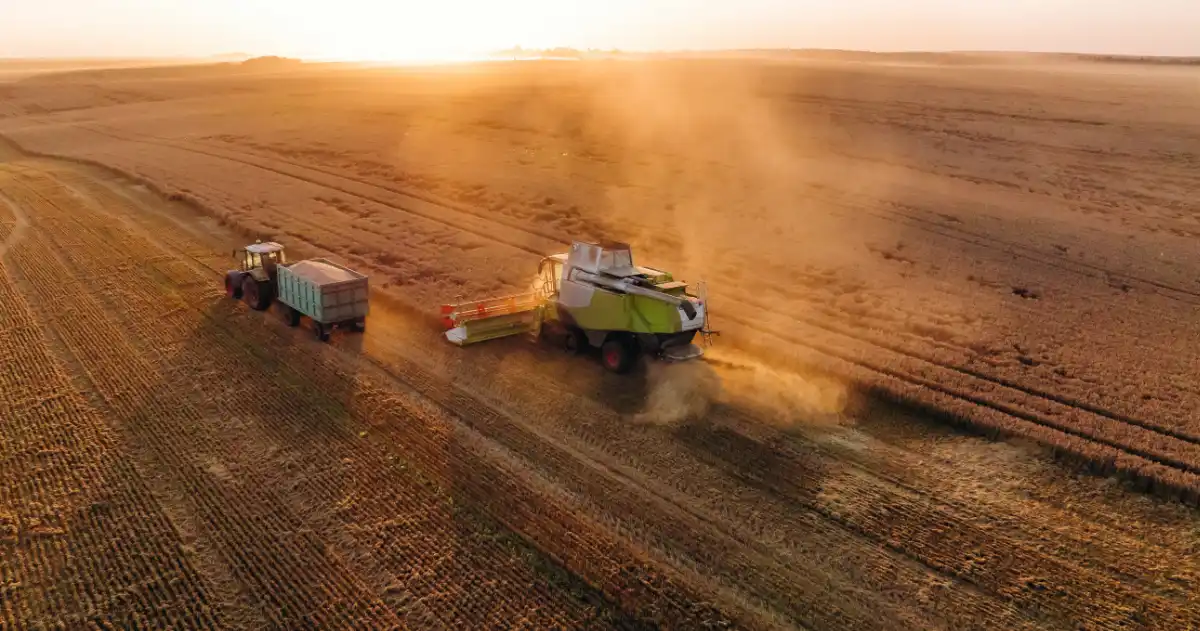
Looking at the whole agricultural workforce ecosystem
Workforce management systems are often designed primarily around the organisation administering the workforce. That organisation understandably needs a broad view. It needs to recruit workers, collect information, manage compliance, make allocations and understand where action is required.
Sabre Agri provides that wider workforce perspective. Providers can manage workers through the different stages of the process and see key status information across areas such as documentation, medical information, declarations, contracts, Certificates of Sponsorship, visas, travel and return. But once a worker is allocated to a farm, another organisation becomes an active participant. The farm has its own responsibilities and information requirements.
Treating the farm simply as a destination on a worker record misses an important part of the process.
Giving farms their own workforce view
A farm does not need access to the provider's entire workforce. It needs access to the workers relevant to its own operation.
Sabre Agri provides farms with their own view of allocated workers while keeping that information connected to the wider workforce process.
Farm users can see relevant worker information and key status indicators, helping them understand where individual workers are within the process. They can also access information relevant to managing those workers, including identity and contact information, allocation dates, contract information and relevant visa and travel details. The principle is simple.
Access should follow responsibility.
The provider retains the broader workforce management view. The farm gets the information and functionality required to manage the people allocated to its operation.
One worker record, different responsibilities
Giving farms useful access does not mean creating another version of the worker. The same underlying worker can be viewed and managed differently according to the participant's role. Providers retain responsibility for the wider recruitment and workforce process.
Farms can maintain information specific to their own relationship with a worker, including their own unique farm reference, without creating a separate worker record. This reduces unnecessary duplication while allowing each organisation to maintain the information it is responsible for.
It also reduces the risk of separate workforce records gradually becoming inconsistent.
Farms are active participants, not simply viewers
Useful farm access needs to go beyond displaying information. Farms contribute information to the workforce process too.
For example, Sabre Agri provides a weekly timesheet process for allocated workers. Farms can record relevant workforce and payroll information against the same worker records already being managed within the wider platform.
That means information generated by the farm can remain connected to the worker and provider process rather than requiring a separate farm spreadsheet or workforce dataset simply to pass information back.
The farm therefore becomes an active participant in workforce administration. The provider manages the wider workforce. The farm contributes the information arising from its part of the worker's employment.
Both work with the same underlying process.
Workers are active participants too
Workers are another important part of the agricultural workforce ecosystem.
Through the Sabre Agri Worker App, workers can interact directly with the same process being managed by providers and farms. They can maintain their information, complete questionnaires and declarations and provide documents required during their workforce journey.
Documents such as passports, photographs, driving licences, visa information and travel documents can be provided through the app rather than relying on separate email or messaging processes. Workers can also access contracts relevant to the farms where they will work.
Farm specific contracts can be presented through the app for the worker to view and sign digitally, keeping the resulting documentation connected to both the worker and the relevant farm.
Rather than information about a worker always being entered by somebody else, the worker can contribute directly to their own record and complete the actions required of them.
Documents and compliance across the process
Agricultural workforce management involves significant documentation and compliance information. Different participants need different information at different stages.
The provider needs broad oversight of the worker journey and needs to know where documentation or action remains outstanding. The farm needs relevant information about the workers allocated to it.
The worker needs a straightforward way to provide information and complete required actions. A connected platform allows those activities to form part of the same process while controlling what each participant is able to see and manage.
The objective is not unrestricted access to worker information.
It is appropriate access to the right information at the right point in the process.
One farm, multiple workforce providers
The agricultural workforce ecosystem can become more complex when a farm works with more than one workforce provider. The farm remains one operation, even though its workers may have been supplied by different organisations.
Sabre Agri is designed to retain that provider distinction within the connected environment. Workers remain associated with the appropriate provider while farms work with the workforce relevant to their own operation.
This allows each provider to retain responsibility for its respective workers without requiring the farm to maintain completely separate workforce processes for every provider it works with.
Provider information is also being made more visible within farm worker and timesheet views, making it easier for farm users to identify which provider is responsible for each worker. As more organisations participate, maintaining those boundaries becomes increasingly important.
A connected ecosystem should bring participants together without confusing who is responsible for what.
Reducing duplication across the workforce journey
Disconnected processes create administration. Worker information may be held by the provider, repeated by the farm and supplied again by the worker. Documents may be emailed between organisations. Contracts may be handled separately. Timesheet information may sit in another system or spreadsheet.
Every additional copy creates another record to maintain. Connecting the participants does not remove their individual responsibilities. It reduces the need to recreate the information and processes that sit between them.
The provider can manage recruitment and the wider workforce. The farm can manage its allocated workers and contribute operational information. The worker can provide documents, complete required actions and interact directly through the app.
Each participant contributes to the same workforce journey.
One workforce. Different perspectives.
This reflects the same principle we apply elsewhere within Sabre MS.
Different organisations participate in the same process but require different information, functionality and controls. In vendor management, that might mean a client and its recruitment suppliers. In agriculture, it can mean workforce providers, recruiters, farms and workers.
The organisations are different, but the design question is remarkably similar:
How do you give each participant what they need without creating unnecessary administration for everybody else?
For Sabre MS, that means looking beyond the organisation purchasing the software and considering the different people and organisations participating in the process.
Not everyone needs the same access. Not everyone performs the same function. Not everyone has the same responsibilities.
But everyone benefits when the underlying workflow remains connected.
Agricultural workforce management as an ecosystem
Seasonal agricultural recruitment is inherently a multi organisation process. Providers recruit and manage workers. Recruiters support that process. Farms manage the people working within their operations. Workers provide information, documentation and labour while moving through recruitment, allocation and employment. Software designed around only one of those participants can digitise part of the process. Software designed around the relationship between them can do considerably more.
Different roles. Different requirements. One connected agricultural workforce ecosystem.
See How Sabre Connects Providers, Farms and Workers
Sabre Agri connects workforce providers, farms and workers, helping each participant manage their responsibilities within one connected agricultural workforce process.
If you would like to see how this works in practice: